
Sustainable agriculture
Helping 30,000 farmers cut input costs, repair their soil and stay solvent through bad years.
Learn more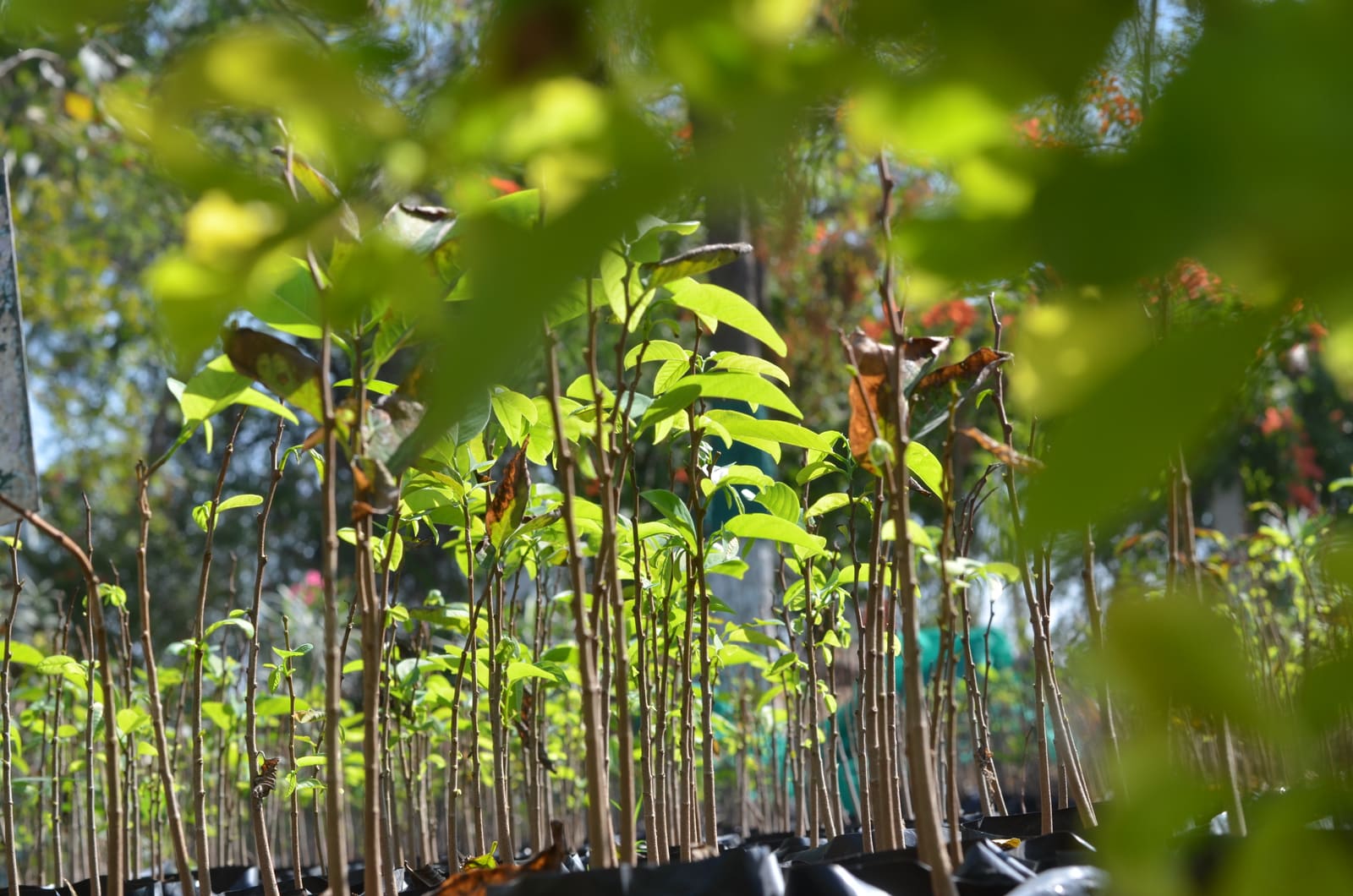
Rural women in Saurashtra are not short of resilience. They are short of access. Our health work brings screening, diagnosis and referral to the village — and then follows up until treatment actually happens.
Breast and cervical cancer outcomes in rural India are poor for a reason that has little to do with medicine. The disease does not move faster here. The first appointment happens years later. By the time a woman presents, what was treatable is not. Screening is the whole intervention — and almost nobody is being screened.
Camps at village level using methods that work in a low-resource setting — mammography, Pap smear and X-ray — with Primary Health Centres providing space and coordination.
The camp is the easy part. Making sure a woman with an abnormal result reaches a district hospital, with someone to travel with and the paperwork in order, is where the outcome is decided.
Dental hygiene for children, protective equipment for people handling agrochemicals, drinking water quality. Unglamorous, and cheaper than the disease.

Camps run across Amreli, Gir Somnath and Rajkot districts.
A number on its own is not an outcome. Each one below says what it actually altered, and where it comes from.
272
women screened for breast and cervical cancer across six camps, January to March 2026
Held with the Aashirvad Foundation at Shekh Pipariya, Keriya, Babara and Nana Ankadiya. Women were taught self-examination alongside the screening, because a camp that visits once a year cannot be the only check.
SSKK Annual Report 2025-26
447
women screened at cancer detection camps
Pre-cancerous lesions and early-stage cancers were found. Each detection is a woman who now has a treatable diagnosis rather than an untreatable one in five years — against a national backdrop where fewer than two women in a hundred have ever been screened at all.
SSKK programme records; national figure from NFHS-5
126
patients seen at one eye camp, of whom 35 had cataract
Cataract is reversible surgery, and untreated it ends a farm worker's earning life. Screening is what converts a slow loss of sight into a scheduled operation.
SSKK Annual Report 2022-23
4,794
insurance policies secured for farmers and staff during COVID-19
A household facing a hospital bill either has cover or sells an asset. Cover is the difference between an illness and a permanent fall in income.
Arranged through CottonConnect and Better Cotton
We can report how many women were screened and how many abnormal results were found. We cannot yet report how many completed treatment — which is the number that actually matters, and the one our follow-up work is aimed at. Tracking referral through to treatment is the next thing to build.
Cancer detection at Bhadva in Rajkot, Babra, Khadadhar and Damnagar in Amreli, and Gangada and Samter in Gir Somnath. General check-up camps for women — a gynaecologist, a physician, medicines dispensed on the spot — at Chital, Lathi, Khambha, Timbi and Dhokadva.
The health session at these camps is often the first time the subject has been discussed openly in that village.
India has among the highest rates of oral cancer in the world, and dental care is almost entirely absent from rural public health provision. With the American India Foundation and Dr Nammy Patel we ran awareness work with Anganwadi and school children through ICDS, dental bal-melas, school check-up camps, and curative camps for adults — reaching 3,007 children and 3,527 community members across more than 40 villages.
Two earlier programmes shaped how we work: the Targeted Intervention under the National AIDS Control Programme, which ran a counselling and testing centre and a year of ration support to HIV-positive families; and CLEAN-Amreli, which won Best CLEAN-India Regional Centre for the West Zone three times.
During COVID-19 we distributed masks, sanitiser and ration kits, supplied PPE to frontline staff, and arranged transport home for stranded migrant workers.
Helping 30,000 farmers cut input costs, repair their soil and stay solvent through bad years.
Learn more
Farm ponds, check dams, 1.4 lakh trees and 30 trained disaster-response volunteers — rebuilding the water table and the village's capacity to withstand a bad year.
Learn more
3,000 women trained in a trade, and the groups, credit and confidence to actually use it.
Learn moreYour contribution goes into long-term work across environment and climate resilience, sustainable agriculture, livelihoods, health, and knowledge sharing. All Indian donations are eligible for 50% tax deduction under Section 80G.